
Most people don’t decide to change their home because of one big event.
It usually happens gradually. The stairs start to feel longer. Getting out of a low chair takes a second try. Carrying laundry to the basement becomes something you save for when someone’s visiting.
These small shifts are easy to wave off, and that’s understandable. But they’re also useful information. The everyday routines that start to feel harder are often the clearest guide to what a home needs next, and noticing them early means you get to plan on your own terms instead of in a hurry.
Getting up, sitting down, and getting around
Pay attention to the moments of transition: rising from bed, standing up from the sofa, lowering yourself onto the toilet. If you find yourself pushing off the armrest, rocking forward to build momentum, or reaching for the nearest countertop, the furniture or fixtures may be at the wrong height, or there’s nothing sturdy to hold.
The same goes for moving through the house. Doorways with a raised threshold, a rug that shifts underfoot, or a hallway that’s dim at night can turn a routine walk into something you have to think about. When a familiar path starts to require concentration, that’s worth noticing.
Bathing and personal care
The bathroom is where many people first feel a change, because it combines water, hard surfaces, and a lot of stepping and turning. Maybe you’ve started showering only when someone else is home. Maybe stepping over the tub edge feels less certain than it used to, or standing through a full shower is tiring.
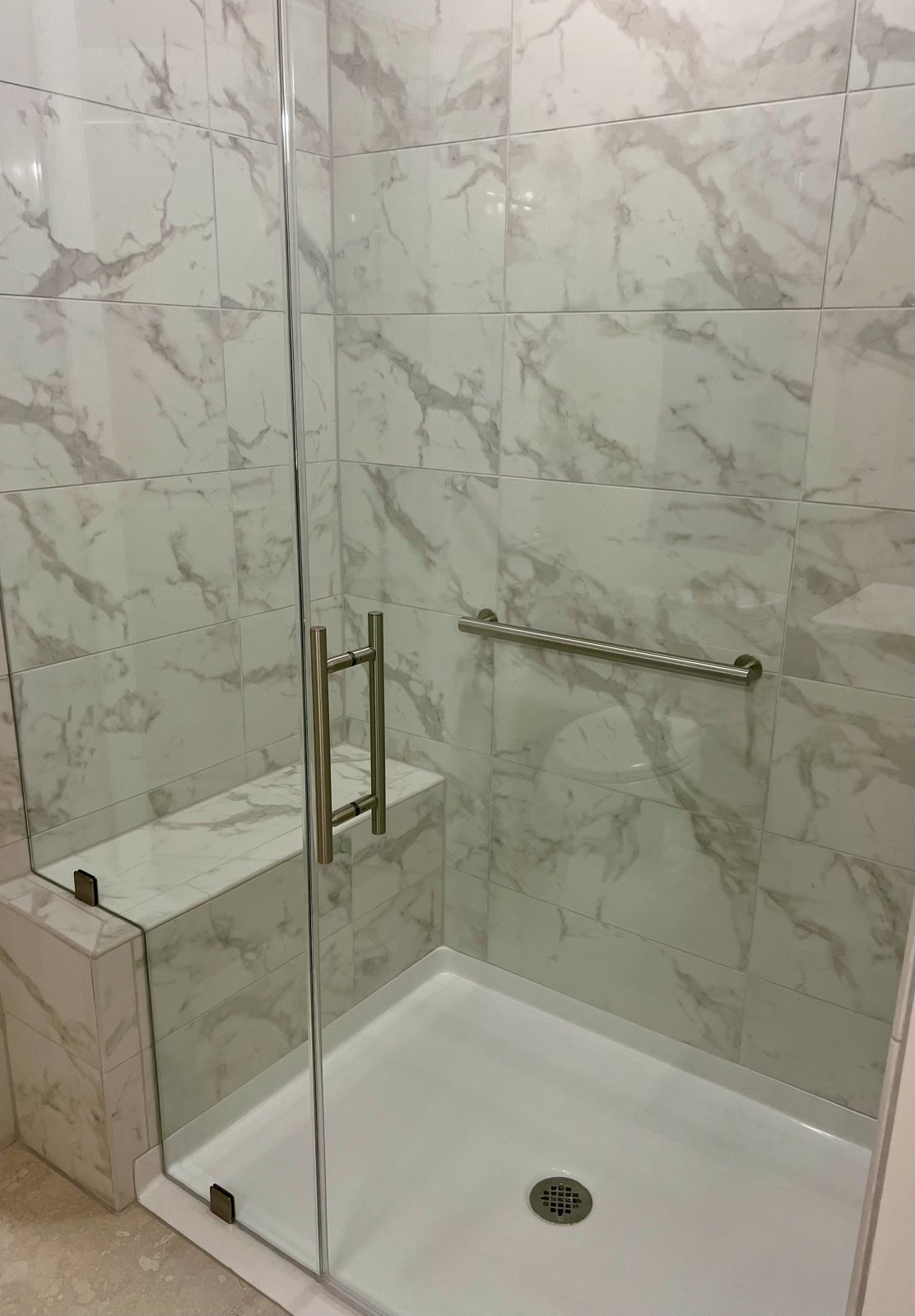
None of these means you need a new bathroom. Often the fix is simpler than people expect: a grab bar where your hand already reaches, a handheld shower, a shower seat, or better lighting over the tub. Planning ahead lets you choose options that look good and fit the room, rather than grabbing whatever is available after a scare.
Cooking, cleaning, and reaching
Watch how the kitchen gets used. If the heavy pots have migrated to the counter because the lower cabinets are hard to reach, or the step stool comes out for everyday dishes, the layout is asking for attention. The same is true for laundry that requires carrying baskets up and down stairs, or cleaning supplies stored somewhere awkward.
People are very good at working around these things. The workarounds are worth looking at, though, because they often involve bending, climbing, or carrying in ways that add risk over time.
Coming and going
The entrance is used every day, often while carrying something. Think about what it’s like to come home after dark in the rain with a bag of groceries. Is the path well lit? Are there railings on the steps? Is there somewhere to set things down while you unlock the door?
If you’ve started using a different door because the front steps are harder, or you’ve stopped going out in the evening because the walk to the car feels uncertain, those are real signals. Being able to come and go comfortably has a lot to do with staying connected and independent.
Why planning ahead is easier
When you plan early, you have more choices. You can spread changes out over time, pick finishes you like, coordinate with work you already had in mind, and avoid making big decisions in a stressful week. You also get to decide what matters most to you, whether that’s staying in a two-story house, keeping a garden, or making room for grandchildren to visit. A home consultation is one way to put those choices in order.
Families often notice these changes too, especially adult children who visit and see the house with fresh eyes. It helps to talk about them openly and early, with the person who lives in the home leading the conversation.
Where to begin
If a few of these sound familiar, you don’t need to solve everything at once. Start by noticing which daily routines feel harder than they used to, and where. That short list is usually the best map of what to address first.
If you’d like a second set of eyes, the Home Readiness Check takes about four minutes and points out a few starting places. Or start with a short conversation: get in touch or call (980) 220-8821. In Charlotte we come to you, and from anywhere, we can review your home by video and put together a prioritized plan.